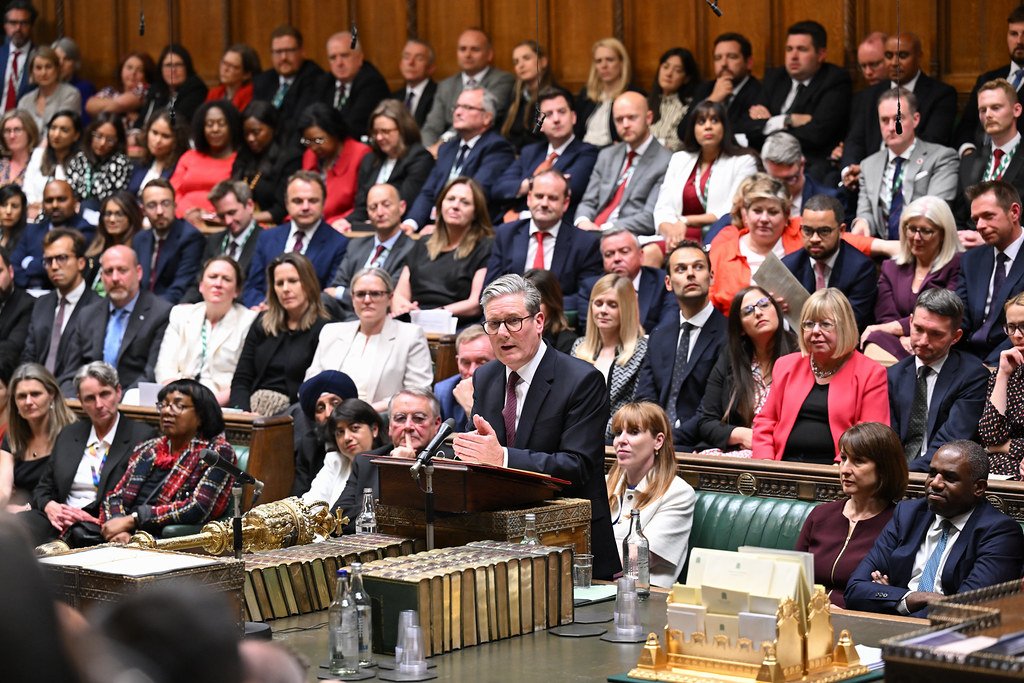
As Parliament sets out to modernise its ways, a new Commons committee is raising important questions about the role of MPs in the media. The Commons Modernisation Committee, chaired by Lucy Powell, has been tasked with reviewing how MPs’ appearances on TV shows, journalism, and public speeches might impact their duties, specifically exploring whether these activities provide a benefit to the public or create a conflict of interest.
Why the Committee Matters
The inquiry has sparked renewed debate about whether it’s appropriate for MPs to juggle media gigs alongside their political responsibilities. The conversation gained traction after former health secretary Matt Hancock controversially appeared on “I’m a Celebrity… Get Me Out Of Here!” while still serving as an MP. Hancock’s participation, he claimed, was to raise awareness of dyslexia, but critics saw it as an abandonment of his parliamentary duties.
Fast forward to 2023, and the topic remains in the headlines. Concerns around political figures acting as presenters came to a head earlier this year when Ofcom warned GB News for breaching broadcast rules with five programmes hosted by MPs, highlighting the risks of mixing media with political power.
MPs in the Media: A Growing Trend
The rise of political figures in the media isn’t new. Former UKIP leader Nigel Farage and Reform Party MP Lee Anderson are well-known examples of politicians who are also media personalities. According to the most recent register of members’ financial interests, Farage is paid nearly £98,000 a month by GB News, while Anderson earns £100,000 a year for his work on the same network.
These figures raise the question: Are media appearances by MPs purely a means of communicating with the public, or do they represent a potential conflict of interest, blurring the lines between public service and personal gain?
Modernisation Committee’s Mission
In the committee’s own words, its mission is to “drive up standards, improve culture, and reform procedures” in the House of Commons. This includes examining whether paid outside engagements like media appearances serve a public benefit or detract from an MP’s primary role—representing their constituents.
Lucy Powell, the committee’s chair, acknowledged the importance of the inquiry, saying: “As we turn the page in this Parliament following the events of the last, the Modernisation Committee will find ways to do things better.”
The committee aims to engage with MPs from all political parties, House staff, and various stakeholders to ensure that new guidelines are both fair and comprehensive. The ultimate goal is to uphold high standards in Parliament while balancing MPs’ external engagements.
The Road Ahead
The committee’s investigation into MPs’ media roles will undoubtedly be closely watched by political figures, the media, and the public alike. Whether this inquiry results in stricter guidelines or even sanctions remains to be seen, but it marks a significant step toward increasing transparency and accountability in Parliament.
As the Modernisation Committee progresses with its work, the spotlight will remain on those MPs who balance media careers with their political responsibilities. The question at the heart of the inquiry remains: Do these media gigs help the public, or do they present a conflict of interest?
Only time, and the committee’s findings, will tell.